Picture
"Seagulls screech, waves crash, salty mist sprays your face. Welcome to Rocky Point Lighthouse.. where kids shine God's light!' It's a great introduction to Group's Rocky Point Lighthouse program and our kids' club theme for this term. The format of this program covers just two 21/2 hour sessions and one Sunday celebration, so we've combined this exciting theme with lessons from FaithWeaver Friends.
We promoted this upcoming program for a couple of weeks, and then held an orientation lunch following Sunday's worship service for leaders and others interested in knowing more about this program and possible involvement. 

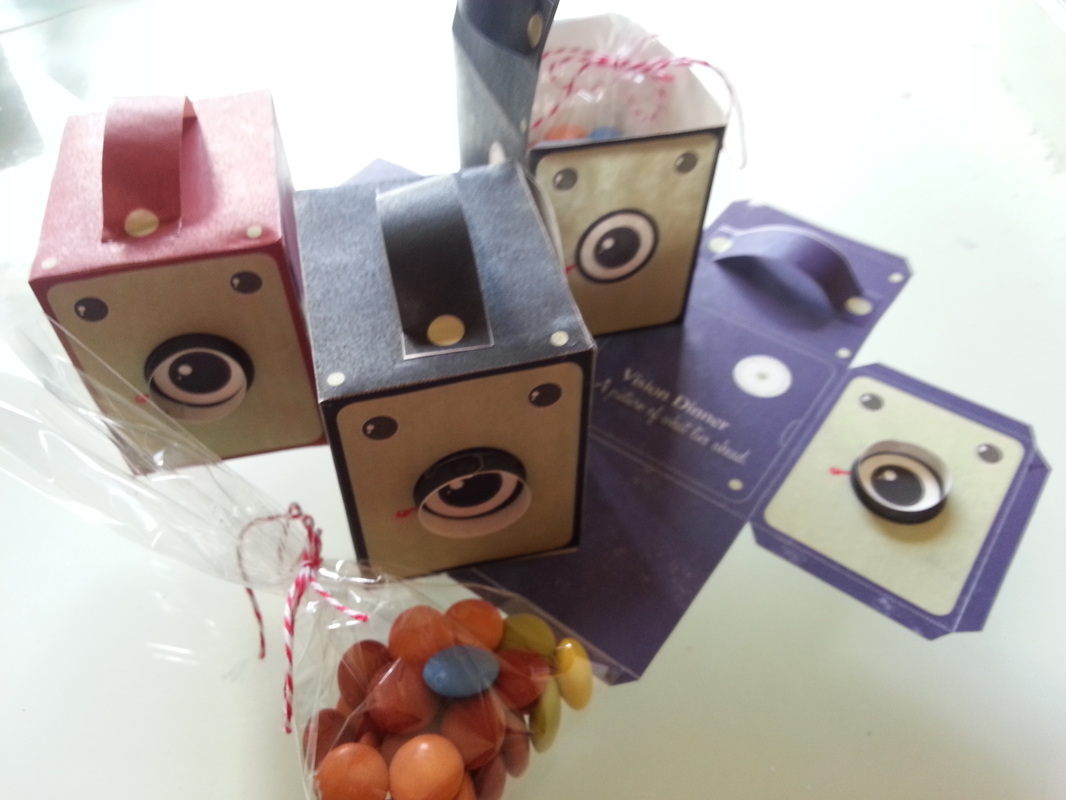
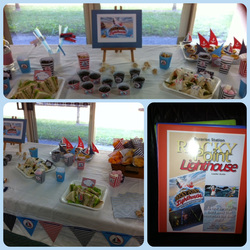
So..I decorated our lunch table in a nautical theme and set it up in a prominent area. The lunch went well and created a lot of interest. Following lunch, I handed out individual activitiy station manuals I had created with all the leader information included (printed off from the program resources CD). I highlighted some of the activitiers, crafts and features of this program...and the result? Two new leaders joined our Kids Club team! 
If you're interested in the decorative media used for our lunch table, you can find the downloadable set at  Bird's Party Shop.   (See here..) It includes cupcake toppers and wrappers, water bottle labels, napkin rings, mini snack boxes, party bunting, icons, straw flags, buffet labels and patterned paper.

 
 
Picture
With more than 12 million users regularly using Pinterest, you're probably wondering if there's any potential for your children's ministry or just a waste of your time and effort.
A pinterest pinboard tells a story in images and videos of who you are, where you come from and what you do. This information may be clear to your church family but, in reaching out to your community, it gives a glimpse into your children's ministry world and allows them to get to know you and what's important to you- where your focus lies. In other words, it helps you connect with families. 
So, how should you set up and develop your Pinterest? 
Think about creating a dedicated board for each of your age-groups or programs. Pin some of those age-group's craft or science activities on those boards. Pin your mission focus. Pin your ministry/group logo. Pin images (and videos) of performances or drama presentations. Often, you'll be provided with stock images with your children's programs that may be useful to include. Remember, do not pin images of individual kids or name them and certainly not without parental permission. 


Pin pictures of your program resources, your rooms ( hopefully, visually exciting), your large group activities. If you know someone who's good with photography, see if they'll come along and take these pictures for you.

Create a board for resource recommendations, parenting resources, family movies, and hopefully, helpful parenting articles you've written for your ministry blog. 

Take every opportunity to direct your readers back to your ministry webpage, your children's ministry website or your ministry Facebook page. Put links in the description field for your pins or pinboards and in your Pinterest profile. Use every opportunity to connect with families both within your church and the community beyond.


Picture
"Sit down, Joe!" "Joe, Tyler's trying to talk at the moment. Please wait until she's finished." "Chairs are for sitting on, not climbing. Please, sit!" 

Do you recognise Joe? Is Joe in your group? These kids cannot sit still or pay attention. They act on impulse, wiggle in their seats, move around a lot, talk too much or interrupt others. 
Studies show that about 9% of kids (9 out of every 100) will display these characteristics, and three times as many boys as girls. They are not bad or lazy or stupid. But they do require some help and encouragement to sit still, pay attention or complete a task.

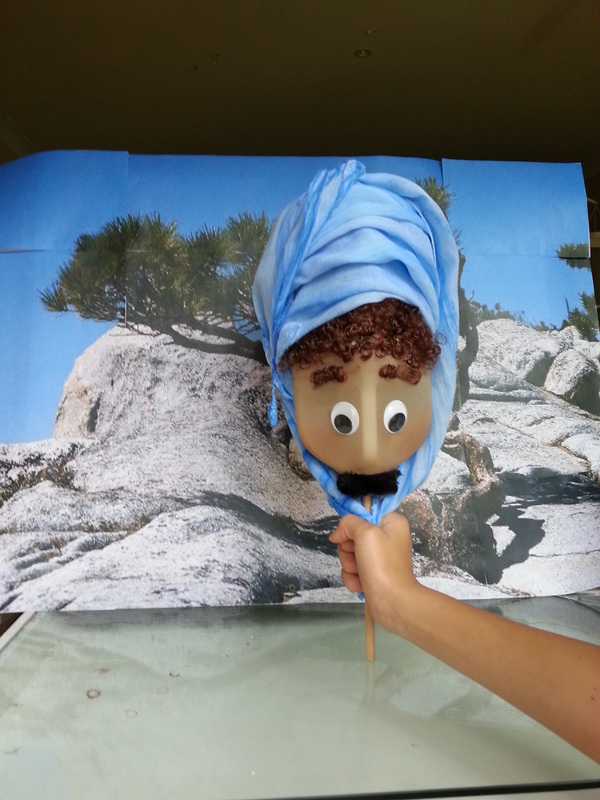
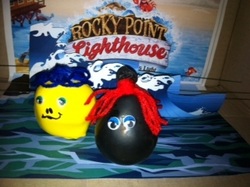
So.. what do you do? Many of the programs that you use will probably include strategies that will assist these kids. Allow kids to move frequently. We rotate the kids through various activity stations every 10 minutes. We use music as a tool for transition. The different activity/learning stations employ multi-sensory strategies when presenting the activity. We also hand out something for these kids to manipulate (stress ball, paper folding, clay) when they are engaged in listening, especially during our opening and closing sessions. You can buy these squishee stress balls from toy shops and Australian Geographic or you can make you own. (You can even create these characters for a craft activity.)

You will need:
*balloon
*funnel (I cut  a soft-drink bottle in half and use the spout end as a funnel.)
*sugar, salt, sand or dried lentils
*googly eyes
*yarn
*glue
*permanent markers

Directions:
1. Insert the tip of the funnel into the balloon. Fill with sugar, salt, sand or lentils. (This is actually harder than it sounds and will take some time. If you want to do this activity with kids, you might like to fill the balloons beforehand.)
2. Tie the balloon closed.
3. Glue on googly eyes, yarn for hair
4. Draw extra details with permanent marker- nose, mouth, eyebrows

Hand these fun stress balls out to those kids that need to keep their hands occupied.


Picture
How many hours do you spend preparing newsletters, invitations, slides and other graphic material for your programs or children's ministry events. Sometimes, you just can't find the right font for the project and yes, it makes a big difference to the completed design.

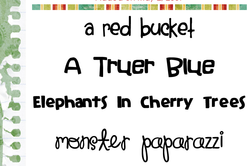
Check out some of the free fonts available from KevinandAmanda's website and download some free fonts that would work really well for children's ministry fonts.. and others. Click the button below to see more of the fonts available.